MUSIC IS THE DIFFERENCE.
MUSIC IS THE DIFFERENCE.


Creating lasting change in the lives of people of all abilities through music.
Note-Able Music Therapy Services addresses physical, social, and mental health needs in our community by offering a range of adaptive music, music therapy, and neurologic music therapy services.
-
Music therapy is the clinical & evidence-based use of music interventions to accomplish individualized goals within a therapeutic relationship by a credentialed professional who has completed an approved music therapy program.*
-
Music therapists work with people of all ages with intellectual disabilities, sensory impairments, autism, traumatic brain injuries, dementia, mental health and substance use disorder, neurological disorders, and physical disabilities. Music therapists also work with hospice patients, veterans, at-risk youth, medically fragile individuals, and more.
-
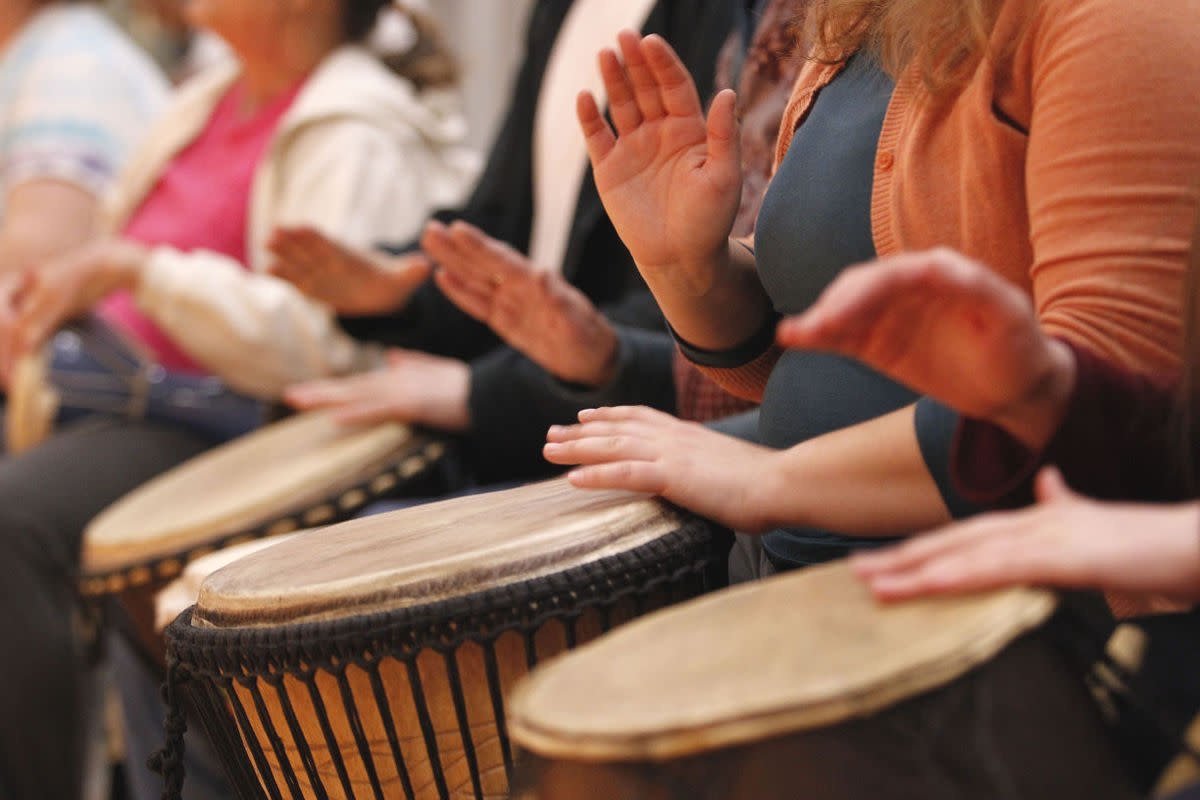
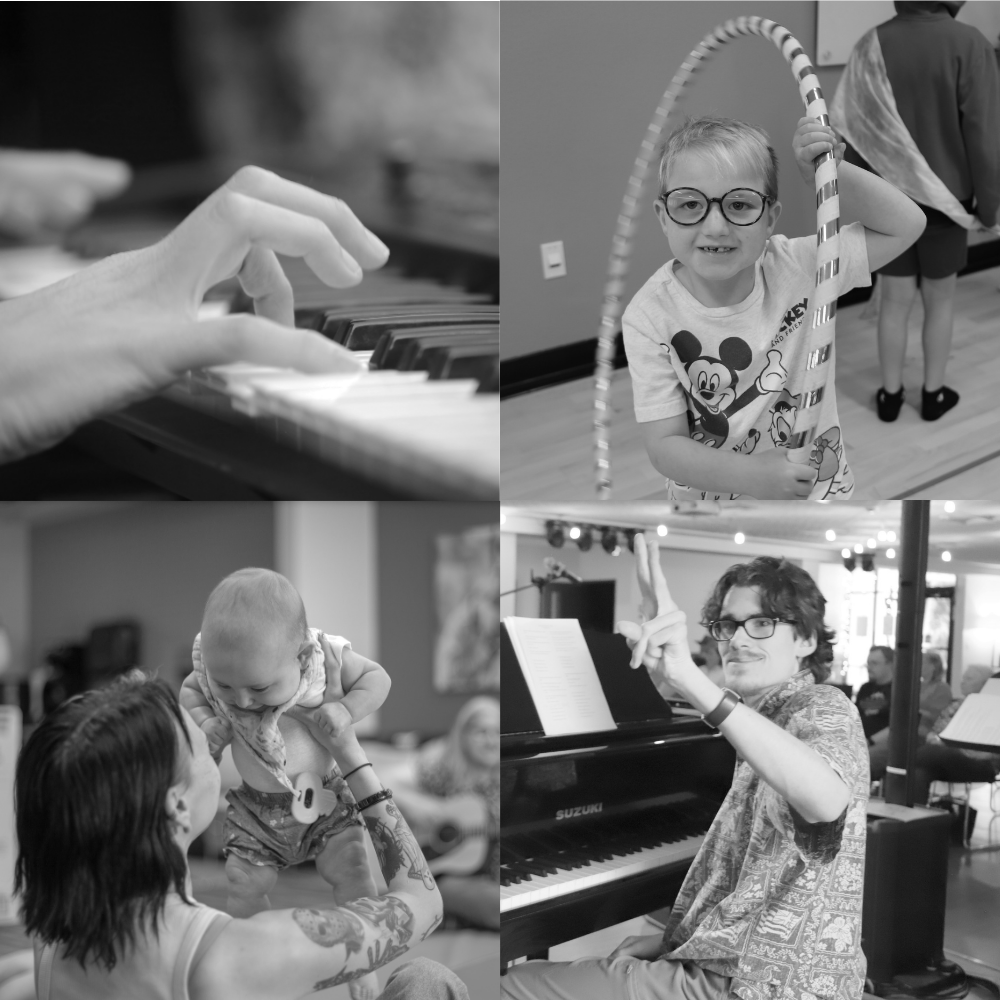
Music therapists facilitate musical experiences for groups and individuals. These can include songwriting, instrument play, improvisation, singing, and dancing. While these activities may seem purely musical and recreational in nature, music therapists focus on goals such as social connection, self-confidence, communication, sensorimotor rehabilitation, speech, and relaxation. These skills can then translate into daily life.
For more information about the field of music therapy please visit the American Music Therapy Association
PROGRAMS AND SERVICES
News & Notes
October 2026 Newsletter Highlight
October at NMTS
This month, we are recognizing Invisible Disabilities Week (October 18-24), which encourages us to learn more about disabilities and health conditions that may not be immediately apparent to others. This helps us to think about how we can create more understanding, accessibility and inclusion.
Invisible disabilities can include physical, neurological, developmental, sensory and mental health conditions. They can affect how someone moves through, communicates with, and experiences the world. Too often, people with invisible disabilities are met with comments like, “But you don’t look disabled,” or “You seem fine.” But we can’t always see what someone is experiencing, and we don’t need to see a disability to believe someone when they tell us what they need.
This is something we think about in music therapy, too. Music is often described as a universal language, but the way we experience music is not universal. One person might connect through singing. Another might connect through movement, rhythm, instruments, songwriting, listening, vibration, or simply being present in a musical environment.
For someone with an invisible disability, music therapy might provide a way to communicate without having to find the “right” words. It might help with sensory regulation, emotional expression, memory, movement, social connection, or creating a predictable and supportive space. And sometimes, it may simply provide an opportunity to participate in music in a way that works for that person at that time..
The important thing is that there is no single “right” way to experience music, just as there is no single way to experience disability. Because sometimes accessibility starts with something very simple: believing people when they tell us what they need.
Everyone deserves the opportunity to experience music in a way that works for them — whether their disability is visible to us or not.
— Manal Toppozada, Executive Director
